
What It Is, Risk Factors, and Ways to Support Bone Health
Osteoporosis is often called a "silent disease" because bone loss can occur for years without noticeable symptoms. Understanding your risk factors and taking proactive steps to support bone health can make a significant difference in maintaining strength, mobility, and independence as you age.
Why Bone Health Matters
Strong bones help maintain mobility, support balance, protect your independence, and reduce the risk of injury as you age. According to the National Spine Health Foundation, women account for approximately 80% of osteoporosis cases, and nearly half of women over age 50 will experience an osteoporosis-related fracture during their lifetime. The years immediately following menopause are especially important, as accelerated bone loss can occur during this stage of life. (Source: National Spine Health Foundation, spinehealth.org)
What Is Osteoporosis?
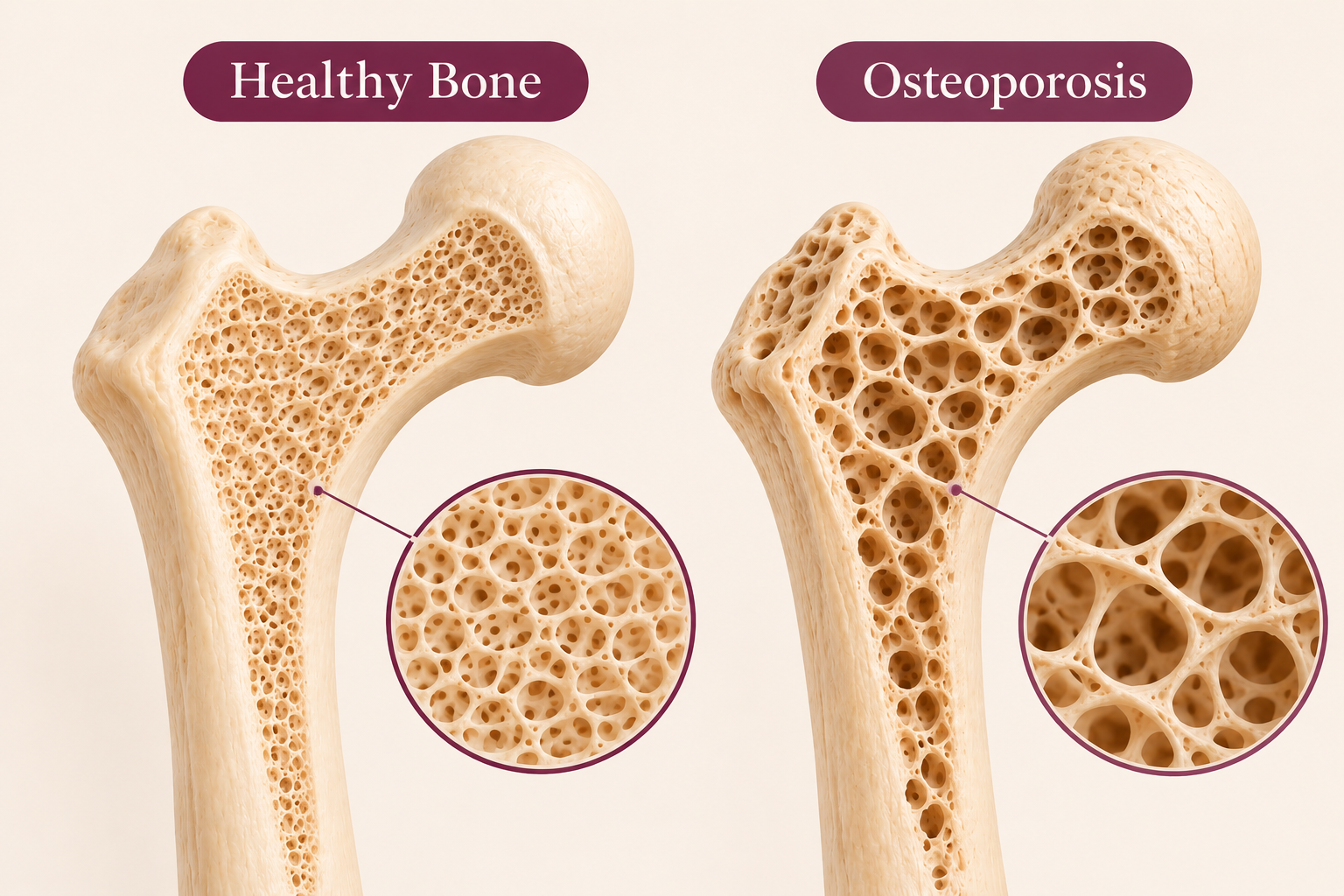
Many people think of bones as solid structures, but they're actually living tissue that is constantly being broken down and rebuilt.
Healthy bones have a strong outer shell and an inner network of tiny supporting structures that provide strength while keeping bones lightweight. In osteoporosis, that inner framework begins to thin and weaken, making bones more fragile and increasing the risk of fractures. Because this process happens gradually, many people don't realize they have osteoporosis until they experience a fracture or undergo a bone density scan.
Who Is At Risk?
While osteoporosis can affect both men and women, several factors increase risk, including:
Age 50 and older
Menopause and declining estrogen levels
Family history of osteoporosis
Small body frame
Low calcium or vitamin D intake
Smoking or nicotine use
Excessive alcohol consumption
Limited physical activity
Certain medications or medical conditions
Having one or more risk factors doesn't mean you will develop osteoporosis, but it does make prevention and monitoring even more important.
Supporting Bone Health at Every Stage of Life
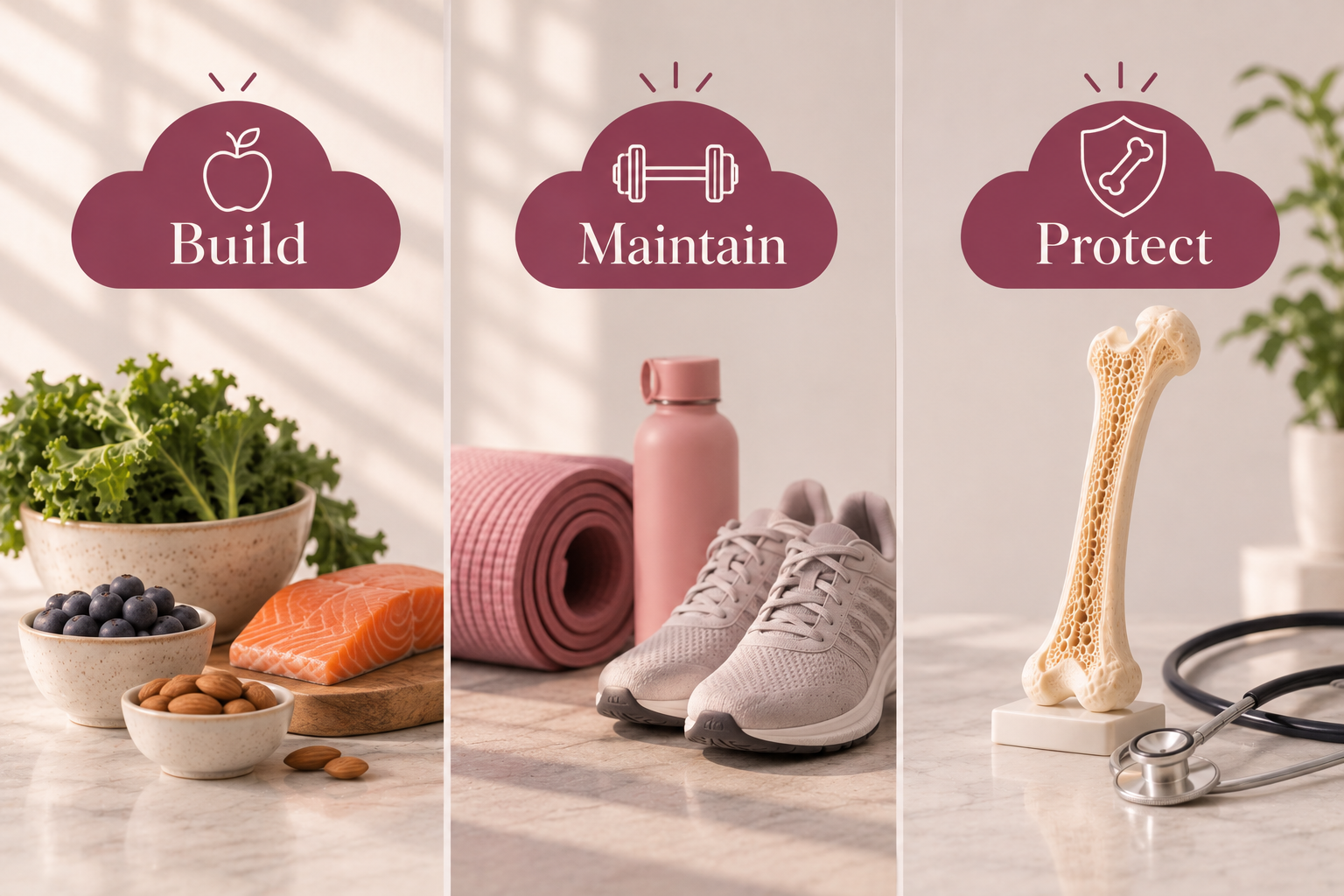
One of the most valuable lessons shared during the Stand Strong Luncheon was that bone health should be viewed as a lifelong investment. The National Spine Health Foundation teaches a simple framework:
Build. Maintain. Protect.
Build (Under 30): Focus on developing the strongest skeleton possible before peak bone mass is reached.
Maintain (30-50): Preserve the bone you've built through proper nutrition, exercise, and healthy habits.
Protect (50+): Prioritize screening, prevention, and treatment when appropriate.
Five Keys to Stronger Bones
-
Calcium is one of the primary building blocks of bone. Whenever possible, obtain calcium from food sources such as dairy products, leafy greens, fortified plant milks, sardines, tofu, and almonds. Supplements can be helpful, but should not replace a healthy diet.
-
Vitamin D helps your body absorb calcium effectively. Sunlight is one of the best natural sources, but deficiency is extremely common, making supplementation necessary for many individuals.
-
Protein is essential throughout life. It helps build bone during younger years and supports both bone and muscle maintenance as we age. Aim to include a quality source of protein with each meal.
-
Activities such as walking, hiking, dancing, tennis, strength training, Pilates, and barre classes help stimulate and maintain bone density.
-
Smoking, excessive alcohol consumption, and poor nutrition can negatively impact bone health over time.
Warning Signs You Shouldn't Ignore
- A fracture from a low-impact event, such as a fall from standing height
- Noticeable loss of height
- A new stooped or hunched posture
- Unexplained mid or upper back pain
- Repeated stress fractures
- Ongoing dental issues combined with other symptoms
Bone health issues don't only affect older adults. Consider speaking with your provider if you experience any of the above. These may be indicators that it's time to take a closer look at your bone health.
Bone Health Is a Lifelong Investment
The small choices you make today, whether that's going for a daily walk, prioritizing protein, strength training, improving your vitamin D levels, or scheduling recommended screenings, can have a lasting impact on your future health.
Whether you're looking to better understand your risk factors, discuss osteoporosis prevention, or simply take a more proactive approach to healthy aging, we're here to help.
➡ Schedule Your Annual Wellness Exam and Let's Talk About Your Bone Health.
Sources & Acknowledgments: Portions of the osteoporosis and bone health information included in this article were adapted from educational resources provided by the National Spine Health Foundation and shared during the Stand Strong Luncheon and Program.