

What Is It and How Does It Work?
Many women have heard of Hormone Therapy (HT), and some may even be taking it, but few truly understand what it's designed to do. Let's take a closer look at how HT works and why it can be an important tool during perimenopause and menopause.
What actually are hormones?
Hormones are chemical messengers that help different parts of the body communicate with one another. They influence everything from sleep, mood, energy, and metabolism to bone health, bladder function, sexual wellness, and cognition.
Three hormones play a particularly important role during a woman's lifetime: estrogen, progesterone, and testosterone.
-
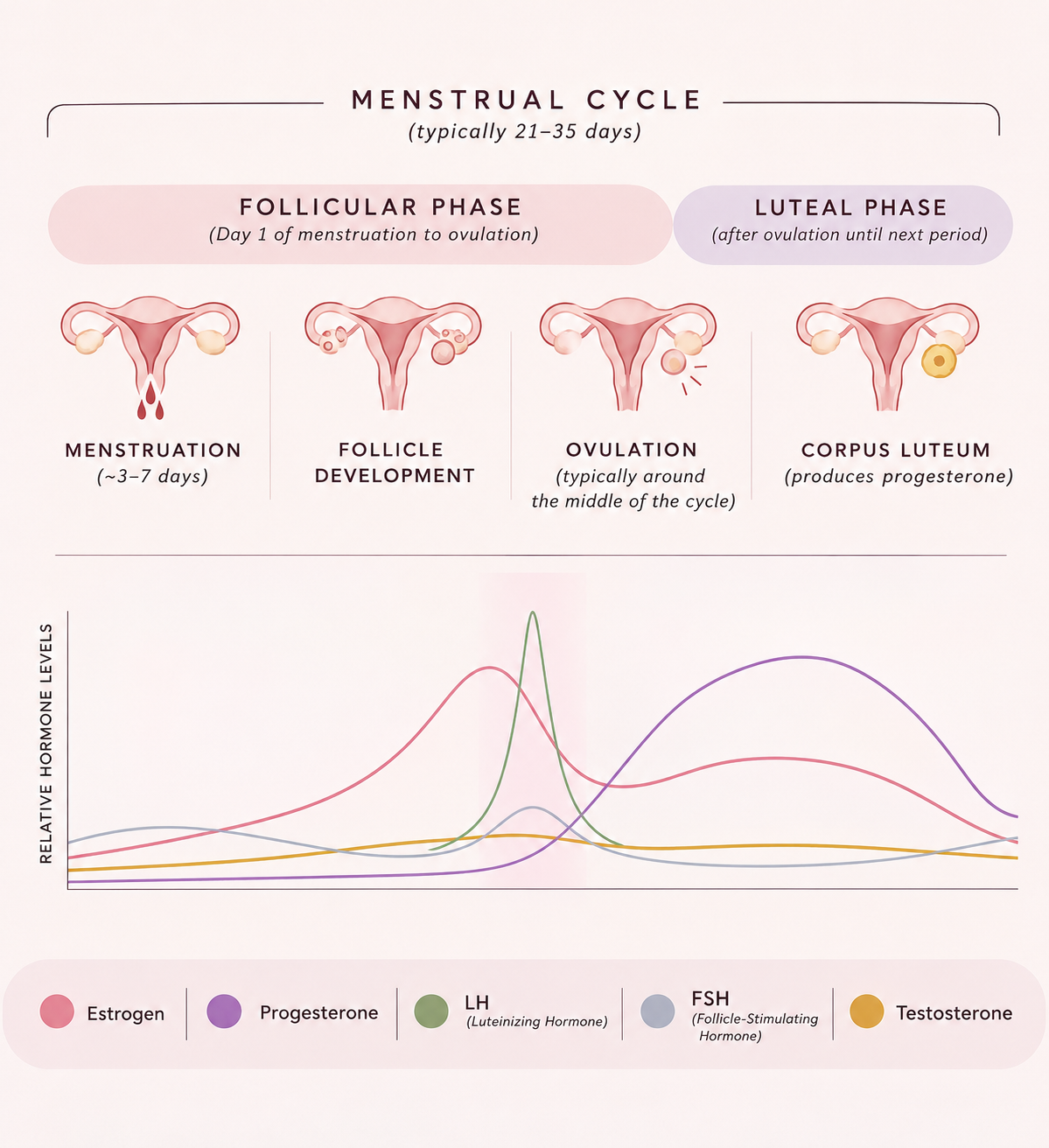
Estrogen is often thought of as the primary female hormone. During the first half of the menstrual cycle, estrogen levels rise and help prepare the body for ovulation. Beyond reproduction, estrogen supports bone density, cardiovascular health, vaginal tissue health, bladder function, skin elasticity, and brain function.
As women approach perimenopause and menopause, estrogen levels become more unpredictable before eventually declining. This is why many women experience symptoms such as hot flashes, vaginal dryness, mood changes, sleep disruption, and changes in bone health.
-
After ovulation, the ovaries produce progesterone. If estrogen is the hormone that helps build the uterine lining, progesterone helps stabilize it and prepares the body for a potential pregnancy. When pregnancy does not occur, progesterone levels drop and the result is shedding of this lining called your period.
Many women also notice that progesterone has a calming effect. It plays an important role in sleep quality, relaxation, and mood regulation. During perimenopause, progesterone is often one of the first hormones to decline because ovulation becomes less consistent. This can contribute to sleep disturbances, anxiety, and irregular menstrual cycles.
-
While testosterone is commonly associated with men, women naturally produce testosterone as well. Throughout a woman's life, testosterone contributes to libido, muscle maintenance, mood, energy, cognition, bone health, and overall vitality.
Testosterone levels tend to decline gradually over time. Some women notice this as reduced motivation, lower energy levels, fatigue, difficulty maintaining muscle mass, or decreased interest in intimacy.
What Happens During Perimenopause?
Many women assume menopause begins when periods stop, but the hormonal transition often starts years earlier. During perimenopause, hormone levels begin fluctuating unpredictably. One month your estrogen levels may be high. The next month they may be significantly lower. Progesterone production often becomes inconsistent as ovulation becomes less regular.
These hormonal ups and downs are what drive many of the symptoms women experience during this stage of life, including hot flashes, night sweats, brain fog, weight changes, mood swings, sleep disturbances, fatigue, and low libido. By the time menopause occurs, estrogen, progesterone, and testosterone levels have all declined significantly from their peak reproductive years.
What Is Hormone Therapy?
Hormone Therapy, often called HT, is designed to supplement hormones that naturally decline during perimenopause and menopause. Depending on a woman's symptoms, health history, and goals, treatment may include estrogen, progesterone, testosterone, or a combination of hormones.
Hormone therapy can be delivered in several forms, each designed to support different aspects of a woman's health. Depending on a woman's symptoms and treatment goals, a personalized hormone replacement plan may include systemic estrogen, progesterone, testosterone, and vaginal estrogen. While systemic hormones help support the body, vaginal estrogen provides additional support directly to the vaginal and urinary tissues. This can be especially beneficial for symptoms such as vaginal dryness, irritation, painful intimacy, recurrent UTIs, and urinary urgency. Many women benefit from a combination approach that works together.
The goal of HT isn't to stop aging or "fix" menopause. Menopause is a natural stage of life, not a medical condition. Instead, hormone therapy is intended to help support the body through a significant hormonal transition and address symptoms that may be impacting a woman's quality of life.
For some women, that means sleeping through the night for the first time in years. For others, it means fewer hot flashes, improved vaginal health, better energy, improved libido, or simply feeling more like themselves again.
Is Hormone Therapy Right for Everyone?
The short answer is no.
Hormone therapy is not a one-size-fits-all treatment, and not every woman will be a candidate. The decision to start HT should always take into account factors such as symptoms, medical history, family history, lifestyle, and personal goals.
This is why two women may have very different treatment plans, even if they are experiencing similar symptoms. The right approach depends on the individual, not just the diagnosis.
Your Hormones Change. Your Healthcare Should Too.
You don't have to accept feeling exhausted, uncomfortable, or disconnected from yourself as the new normal.