
What Is It and How Does It Work?
GLP-1 medications have become one of the most talked-about advancements in weight management. But what exactly are they doing inside the body, and why are so many people seeing success when previous diets and programs failed?
I'm Doing Everything Right. So Why Isn't It Working?
For years, weight loss was often reduced to a simple formula: eat less and move more. If only it were that simple.
Many people spend years counting calories, trying different diets, increasing exercise, and still struggling to lose weight or maintain their results. It can be especially frustrating when you and your partner are eating the same meals, taking the same walks, or following the same workout plan, yet they seem to be seeing results much faster than you are.
That's because weight management is influenced by far more than motivation alone. Hunger signals, metabolism, hormones, sleep, stress, genetics, muscle mass, and blood sugar regulation all play important roles in determining how the body stores and uses energy.
What Is GLP-1?
GLP-1 stands for Glucagon-Like Peptide-1, a hormone your body naturally produces after you eat. Its job is to help different systems throughout the body communicate about food intake, energy use, and blood sugar regulation.
One of the most important things GLP-1 does is signal to the brain that you've eaten and are becoming full. It also slows how quickly food leaves the stomach, allowing you to stay satisfied longer after a meal. In a healthy system, GLP-1 works behind the scenes to help regulate appetite, reduce cravings, manage hunger signals, and keep blood sugar levels more stable throughout the day.
The challenge is that not everyone's body responds to these signals in the same way.
For some people, hunger returns quickly after a meal. Others may constantly think about food, struggle with cravings, or feel like they never reach a true sense of fullness. This doesn't mean they're doing anything wrong. It simply highlights the fact that your weight management is possibly influenced by biology just as much as behavior.
How Do GLP-1 Medications Work?
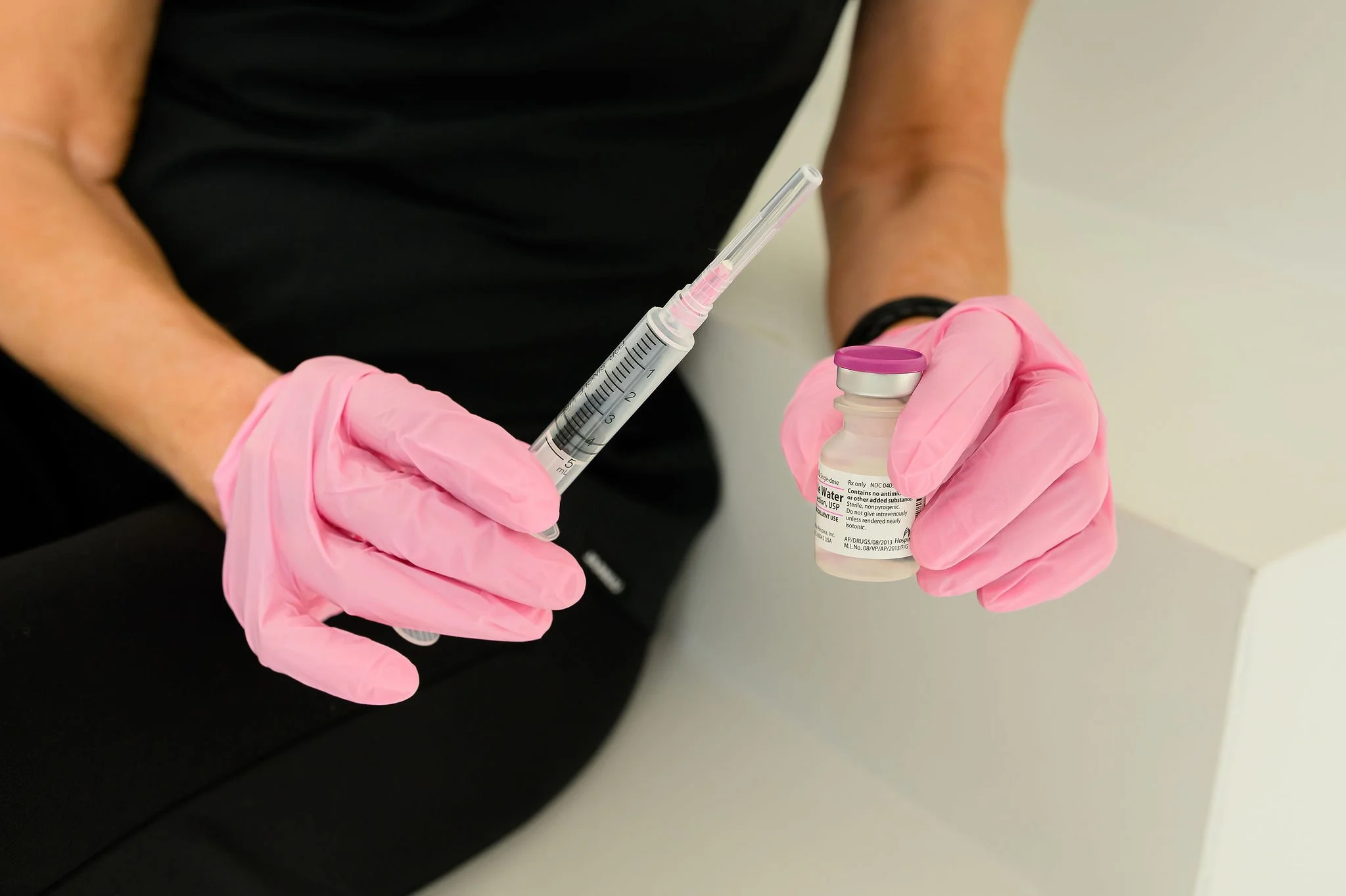
GLP-1 medications are designed to mimic the effects of this naturally occurring hormone. Rather than simply making someone stop eating, they help strengthen the body's natural fullness signals and improve appetite regulation. Many patients describe it as feeling more in control of their food choices, experiencing fewer cravings, and being able to recognize when they've eaten enough. In other words, GLP-1 therapy helps bring hunger and fullness cues closer to what the body naturally needs, making it easier to work toward long-term weight management goals.
Our Approach to Weight Management
At Elevate Wellness, we don't believe in one-size-fits-all weight loss. Every patient has different goals, challenges, and health histories. That's why we look beyond the number on the scale and consider the full picture, including body composition, metabolic health, lifestyle habits, hormone health, and long-term wellness goals. For many patients, GLP-1 therapy becomes one part of a personalized strategy designed to support sustainable results and improved overall health.
If you've struggled with weight loss despite your best efforts, you're not alone. Understanding how your body works is often the first step toward finding a solution that works for you.
➡ Schedule a Consultation to Learn More About GLP-1 Weight Management